


When you engage an interior design firm, you're not simply hiring someone to select furniture and choose paint colors. You're bringing on a strategic partner who orchestrates dozens of moving parts, manages complex timelines, and translates your vision into a realized environment that elevates how you live.
Yet many clients, even sophisticated ones who've invested in real estate, art, or other luxury services, might not fully understand the scope of what interior design services actually include. This lack of clarity can lead to misaligned expectations, budget surprises, or underutilization of the expertise you're paying for.
In 2026, full-service interior design firms offer an integrated approach that manages every aspect of your project from initial concept through final installation. Understanding exactly what's included helps you evaluate proposals, compare designers, and ultimately make better decisions about this important investment in your home.
Explore Willetts Design's comprehensive service offerings →
Learn more about working with an interior designer →
Every successful design project begins with understanding not just your aesthetic preferences, but how you live, what you value, and what you hope to achieve.
The Discovery Process covers essential ground:
Site Analysis: Designers document existing conditions through comprehensive measurement, photography from multiple angles, assessment of natural light throughout the day, and evaluation of architectural features and structural constraints. This documentation becomes the foundation for all design work.
Budget Discussion: Transparent budget conversations happen early. Professional designers need to understand your investment parameters to recommend appropriate solutions. This isn't about designing to the lowest cost; it's about allocating resources strategically to achieve maximum impact within your means.
Learn how to budget for interior design →
This discovery process prevents the common mistake of designing beautiful spaces that don't actually work for how you live. And according to House Beautiful, "by hiring a seasoned and specialized designer, you're paying to avoid the cost—the potentially much greater cost—of fixing problems you might otherwise encounter later on."
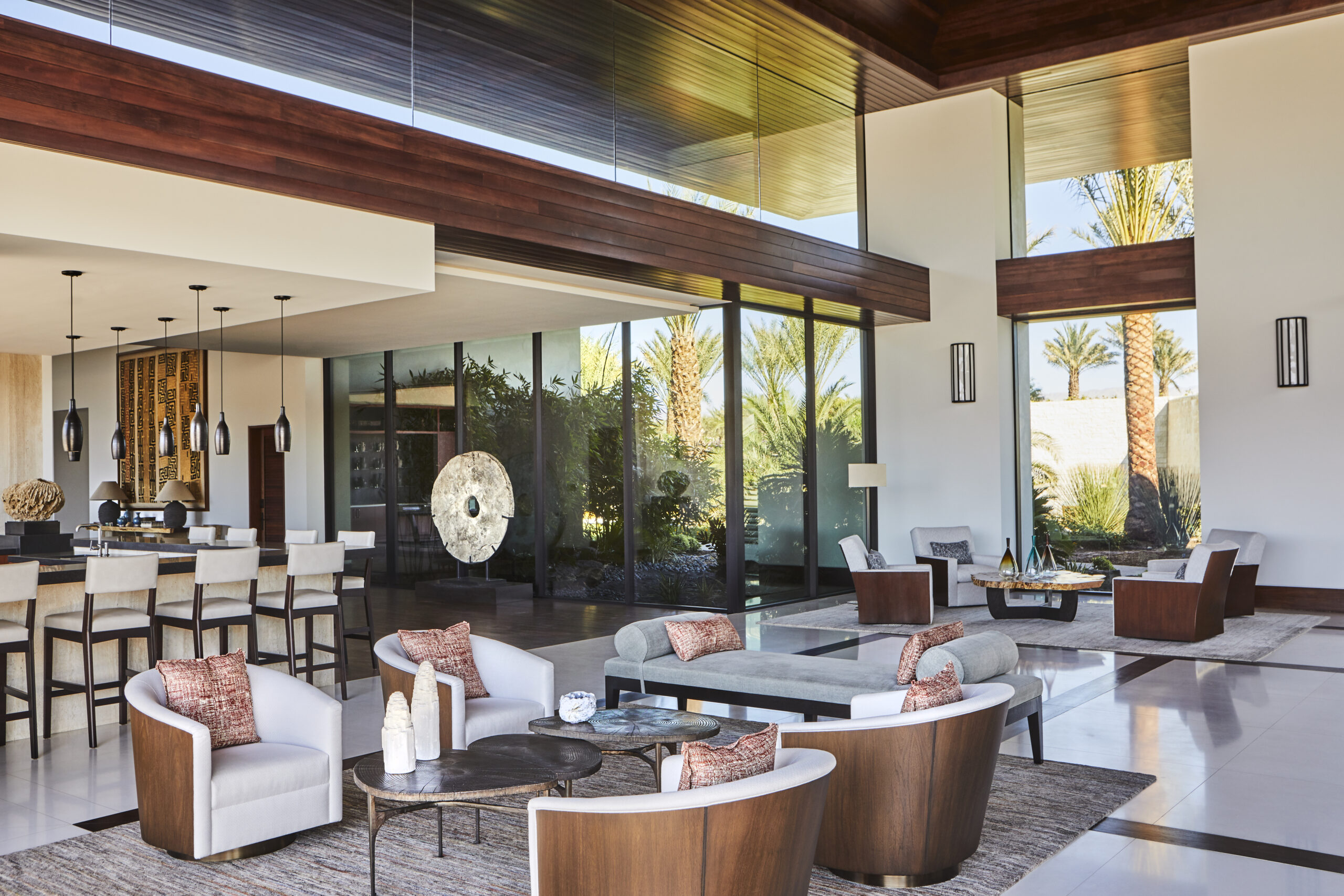
Before a single aesthetic decision is made, interior designers analyze how spaces function and flow.
Comprehensive Space Planning: Professional designers create detailed as-built drawings with precise measurements of room dimensions, ceiling heights, window and door locations, and architectural features. Using scaled floor plans, they develop furniture arrangements that account for clearances around furniture, traffic patterns through spaces, sight lines to focal points, and relationships between furniture groupings. Believe it or not, improper space planning can negatively affect your mental and emotional health.
When existing layouts don't support your needs, designers recommend structural modifications, removing walls to create open plans, adding windows to improve natural light, or relocating doorways to preserve wall space. These recommendations require coordination with architects and structural engineers to ensure design vision aligns with structural reality.
Discover how to build the right team for your project →
Architectural Coordination: Designers work closely with architects on projects involving structural changes, providing input on window placements that frame views, ceiling heights that accommodate statement lighting, and door locations that preserve furniture wall space. They create detailed construction documentation including reflected ceiling plans, elevations illustrating built-in cabinetry, and specifications for millwork and custom elements.
According to industry research, proper space planning is the best way to prevent post-installation regrets related to furniture scale, layout, and functionality.
Explore typical interior design timelines →
Material Selection and Finish Specification: Selecting materials involves far more than aesthetic preference—it requires understanding performance, durability, maintenance, and how materials interact.
Performance and Sourcing: Designers know which materials perform well in specific applications and which don't. They understand that certain marbles stain easily and shouldn't be used on kitchen counters, that some hardwoods scratch more readily than others, and that not all fabrics withstand daily use with pets or children.
They source from premier suppliers, rare marbles like Calacatta and Statuario from Italian quarries, hand-crafted tiles from artisan studios, performance fabrics from Kravet and Rogers & Goffigon, and architectural hardware from brands like Waterworks and Rocky Mountain Hardware.
Finish Coordination: Every material has undertones that must harmonize with adjacent finishes. Designers orchestrate complex palettes of stone, tile, wood, metal, glass, and fabric so everything feels intentionally related. They understand how natural light affects color throughout the day and how artificial lighting changes material appearance in evening hours.
Sustainability Considerations: Conscientious designers specify low-VOC paints, formaldehyde-free cabinetry, sustainably harvested woods, and materials with minimal environmental impact. They understand indoor air quality and long-term health implications of material choices, particularly important for clients with sensitivities or young children.
Having a professional specify your materials will reduce change orders and prevent installation-related delays.
Designers never specify materials from photographs alone. They order physical samples, test them in your actual lighting conditions, verify they coordinate with adjacent materials, and confirm that performance characteristics meet project requirements.
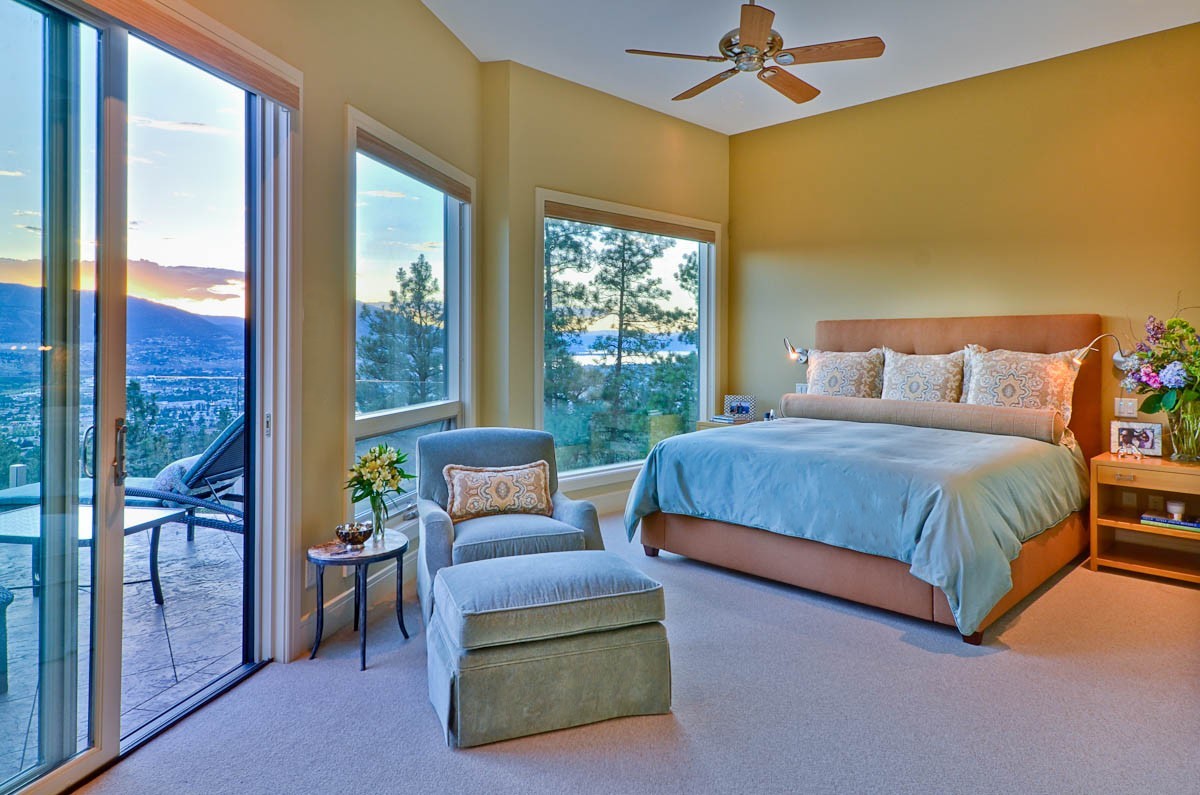
Lighting transforms spaces more dramatically than any other single element, yet it's frequently the most overlooked aspect of residential design.
Layered Lighting Strategy: Professional designers create lighting plans that layer three essential types:
This layering creates depth, mood, and functionality that single light sources cannot achieve.
Technical Specifications: Designers specify fixtures sized appropriately for rooms and positioned to provide optimal illumination without glare. They consider color temperature (which affects how spaces feel, and materials appear), beam angles (whether light spreads broadly or focuses narrowly), and dimming capabilities that allow lighting to adapt throughout the day.
Natural Light Optimization: Window treatments, mirror placement, surface finishes, and furniture arrangements all affect how natural light moves through spaces. Designers maximize beneficial daylight while controlling glare and heat gain, particularly important in sunny climates.
Modern lighting control systems allow you to create scenes for different times of day or activities. Designers program these systems, so lighting adapts automatically, bright for morning coffee, ambient for afternoon relaxation, dramatic for evening entertaining.
Exceptional lighting design is nearly invisible, you don't notice the fixtures as much as you notice how beautiful everything looks and how comfortable spaces feel throughout the day.
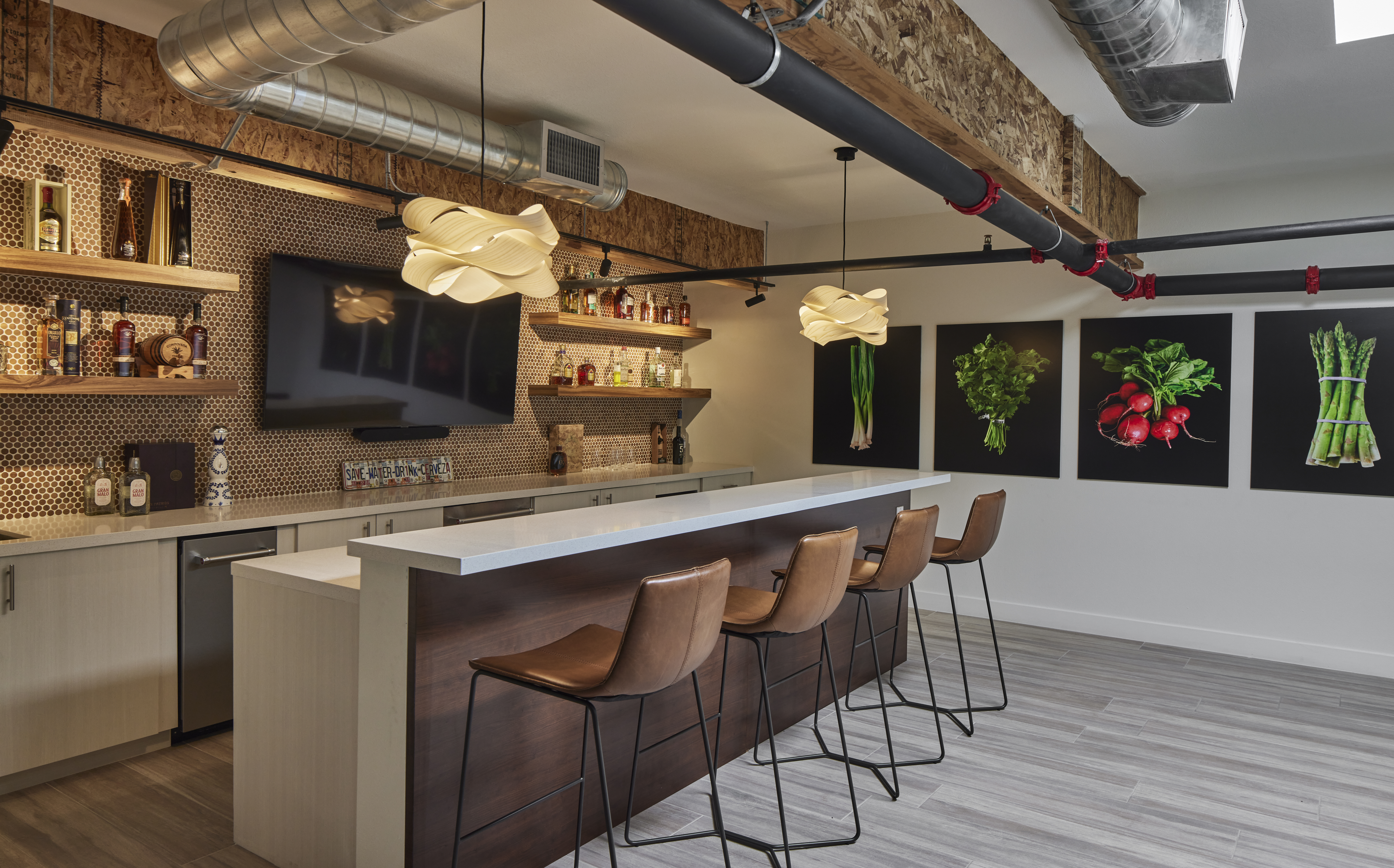
One of the most valuable aspects of interior design services is access to resources and capabilities unavailable to individual buyers.
Trade-Only Access and Exclusive Resources:
Custom Furniture Design: When existing options don't meet your needs, designers create bespoke pieces. They work with fabricators to design sofas in exact dimensions for specific spaces, dining tables that accommodate your preferred seating capacity, or case goods that fit architectural niches perfectly. These custom elements often become the most treasured pieces in your home.
Complete Procurement Management: Every furniture piece requires detailed specifications, dimensions, frame construction, cushion density, fabric selection, finish colors, and hardware styles. Designers manage this complex documentation, ensuring orders are correct the first time and tracking delivery timelines across potentially dozens of vendors.
Before anything arrives at your home, designers inspect pieces at fabricators or warehouses, checking for defects, verifying finishes match approved samples, and confirming dimensions are correct. This quality control prevents problems before they reach your home.
Art and Accessories: The final design layer, art, accessories, books, plants, is where spaces become uniquely yours. Designers help you select pieces that complement your design while building a meaningful collection, edit existing collections, source new pieces that tell your story, and arrange accessories in compositions that feel collected over time rather than decorated in a day.
This procurement expertise alone often saves clients more than design fees cost through trade pricing, mistake prevention, and access to resources that elevate the finished result.
See our comprehensive approach in action with this Art House project—a luxury transformation showcasing full-service design from concept through installation.
Behind every flawless installation is meticulous project management that clients rarely see but deeply appreciate.
Comprehensive Timeline Development: Designers create detailed project schedules that sequence work logically. Architectural changes happen before finish installation, finishes are completed before furniture arrives, and furniture is placed before final styling. They account for material lead times, contractor availability, seasonal considerations, and your schedule constraints.
For clients outside Southern California, many firms offer comprehensive remote design services, coordinating projects through virtual meetings, detailed documentation, and trusted local contractor networks.
Learn how to communicate effectively with your designer →
Contractor Coordination: Your designer serves as the central point of contact for all project vendors—general contractors, electricians, plumbers, painters, stone fabricators, tile installers, window treatment workrooms, and furniture delivery teams. This single point of coordination prevents miscommunication and ensures everyone works toward the same vision.
Budget Tracking and Problem Solving: Throughout the project, designers track expenses against budget, flagging potential overruns early and presenting solutions. When unexpected issues arise, a discontinued fabric, delayed shipment, or installation challenge, designers pivot quickly, presenting alternatives and keeping projects moving forward.
During construction and installation, designers visit sites regularly, verifying work meets design specifications and addressing issues in real-time rather than after completion. They inspect completed work before you see it, creating punch lists of items requiring correction.
Projects managed by design professionals are more likely to be completed on time and within budget compared to homeowner-managed renovations. "More than half (52%) of DIYers went over budget, and an alarming 63% had to take out a loan to complete their project."
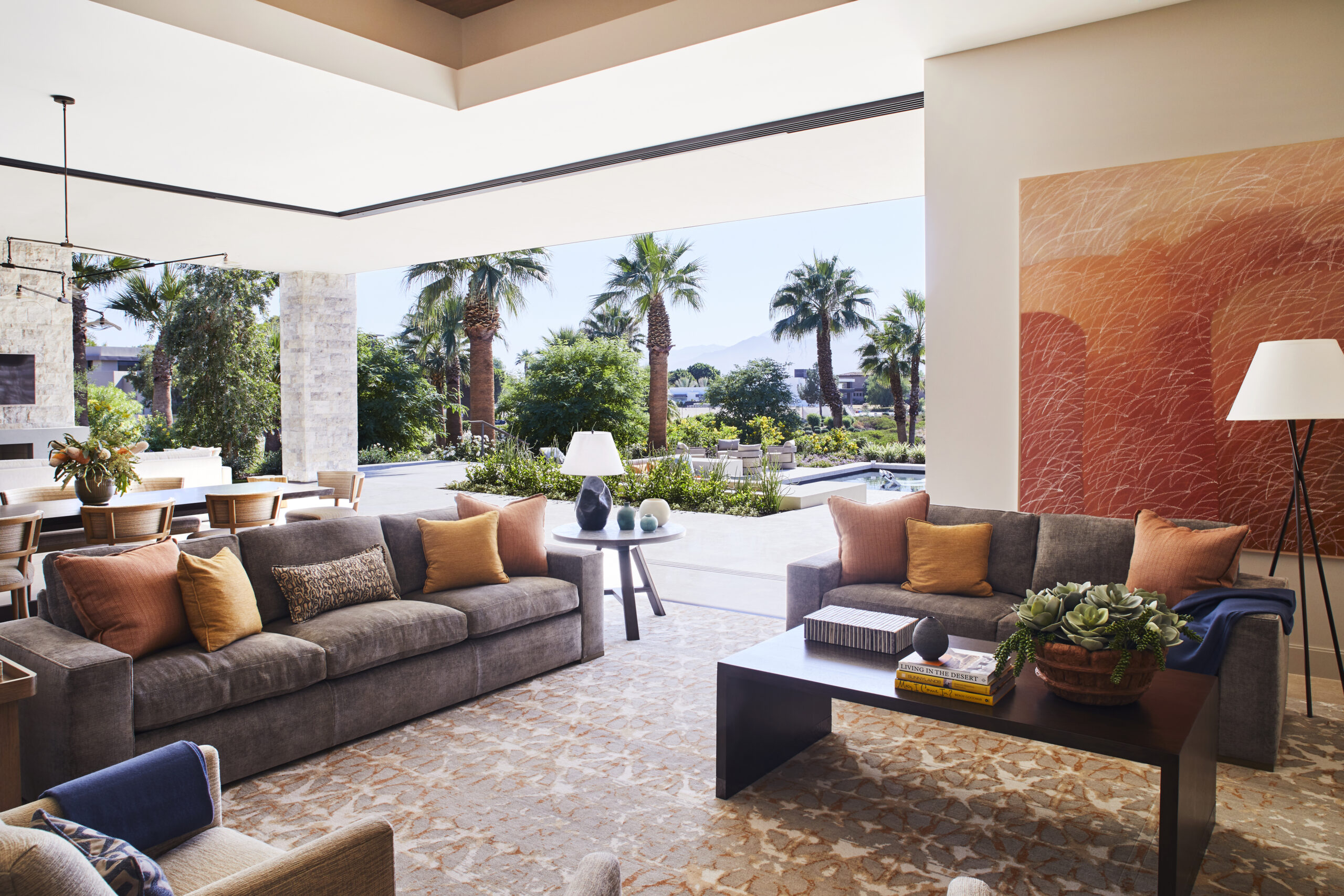
While technical expertise and project management are essential, designers are ultimately hired for their creative vision and aesthetic expertise.
Concept Development: Designers translate your aspirations into cohesive design concepts through mood boards, material palettes, and visual presentations that communicate design direction before anything is purchased or built.
Using advanced design software and photorealistic 3D rendering, designers create presentations that would feel at home in Architectural Digest, sophisticated, layered, and unmistakably refined. Virtual walkthroughs allow you to experience spaces before construction begins, making informed decisions about layouts, finishes, and furnishings with confidence.
Curated Selections: Rather than overwhelming you with endless options, designers present carefully curated choices that align with established design direction. They've already eliminated options that don't work, presenting only selections that serve overall vision. This eliminates decision fatigue while ensuring quality outcomes.
Balancing Trends and Timelessness: Designers understand the difference between fleeting trends and enduring design principles. They create spaces that feel current without being dated in five years, incorporating personal style in ways that transcend temporary fashions.
Sophisticated spaces have depth and complexity, a layering of textures, a thoughtful mix of periods, an interplay of patterns and solids. Designers understand composition principles that create visual interest without chaos, sophistication without sterility.
This creative expertise transforms technically sound, well-planned spaces into environments that resonate emotionally and reflect your unique story with intention and artistry.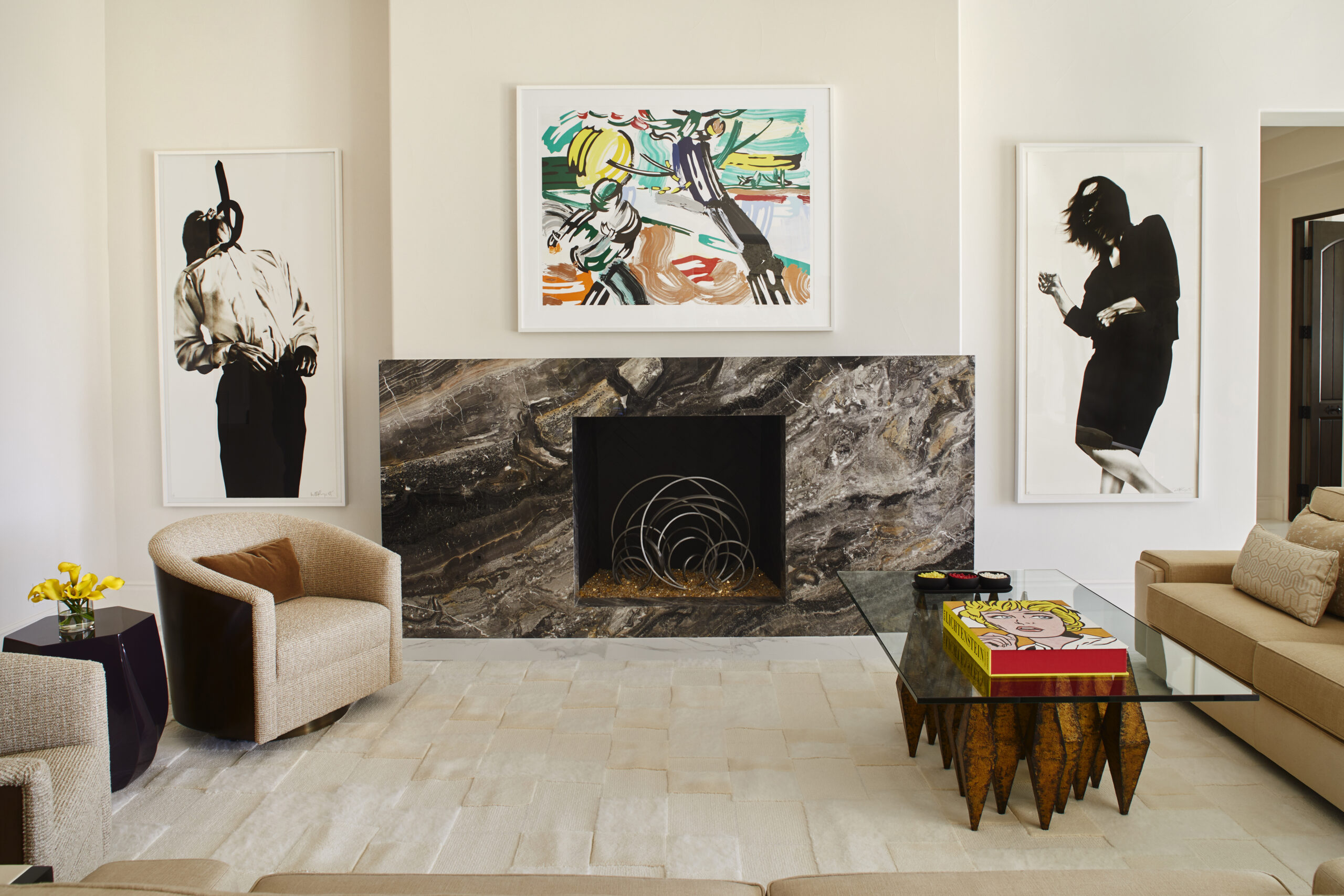
Design services extend beyond installation day, providing ongoing value long after your project concludes.
Comprehensive Documentation: Professional designers maintain detailed records of every specification, order, and decision, paint colors and brands, fabric sources and dye lots, stone slab numbers, custom furniture specifications, lighting fixture models, and hardware finishes. Years later, when you need to touch up paint or reorder fabric, these records prove invaluable.
Ongoing Support: Questions arise after installation. Where did that pillow fabric come from? Can you source another of these lamps? How do we adjust this lighting scene? Your designer remains a resource, answering questions and providing guidance long after final payment.
Designers also provide maintenance guidance on caring for different materials, track warranties on furniture and custom elements, and can facilitate repairs or replacements if issues arise. As your life evolves, they can help you reconfigure furniture for new uses or plan future phases as budget allows.
What's typically included in interior design fees?
Full-service interior design typically includes:
According to Forbes, full-service residential design fees typically range from $150-500+ per hour or 15-30% of total project costs, with the average cost to hire an interior designer for a typical home around $5,000. Fees vary significantly by market, designer experience, and project complexity. Some designers include procurement costs in their fees, while others charge separately for furnishings and materials. Source: Forbes Home Improvement Guide
Do I need to hire separate contractors, or does the designer manage that?
Full-service interior designers typically coordinate all contractors and vendors on your behalf. They serve as the central point of contact, managing communication between general contractors, electricians, plumbers, painters, and specialty trades. This coordination is included in project management services and prevents miscommunication while ensuring everyone works toward the same design vision.
Can interior designers help with just one room, or do they only do whole homes?
Most interior designers offer services at various scales—from single-room designs to whole-home projects. Some offer hourly consultations for design guidance without full implementation. Others provide turnkey services for individual spaces. Discuss your scope and budget during the initial consultation to determine what service level makes sense for your project.
What's the difference between design fees and furniture costs?
Design fees compensate designers for their expertise, time, and project management, and the professional services they provide. Furniture and material costs are separate expenses for the actual products being purchased. Some designers work on percentage-of-project fees where design services are calculated as a percentage of total project cost. Others charge flat or hourly design fees plus a markup on purchased items. Transparency about costs should be established upfront.
How long does a typical interior design project take?
Timelines vary significantly based on project scope. A single room furnishing project might take 2-3 months from concept to installation. A whole-home renovation involving construction could take 6-12 months or longer. Custom furniture often requires 12-16 week lead times. Designers provide estimated timelines during initial consultations based on your specific scope.
What if I don't like something the designer proposes?
Professional designers present options for your approval at each phase. Nothing moves forward without your sign-off. If you don't like a proposal, communicate that clearly. Good designers listen carefully, understand your concerns, and present alternatives. The process is collaborative; designers bring expertise and options; you make final decisions.
Do you work with clients outside your local area?
Yes. While some design firms are regionally based, most serve discerning clients nationwide and internationally. For projects outside their immediate region, designers coordinate through virtual consultations, detailed documentation, and partnerships with trusted local contractors. Many luxury design firms successfully manage remote projects through comprehensive planning, regular communication, and periodic site visits.
How do I know if I need full-service design or just a consultation?
Full-service design makes sense for:
Hourly consultations work well if you're confident managing contractors and ordering furnishings yourself but want professional guidance on design direction, space planning, or problem-solving specific challenges. Discuss your scope and budget during the initial consultation to determine the right service level.
Do designers provide 3D renderings or virtual tours?
Most full-service designers provide photorealistic 3D renderings and virtual walkthroughs for complex projects, helping you visualize spaces before construction begins. This technology allows you to experience proposed layouts, see how materials interact, and understand spatial relationships with confidence. Some designers charge separately for advanced visualization services, while others include rendering in overall design fees.
Can I use my own contractor with an interior designer?
Yes, though designers often prefer working with contractors they know and trust. If you have a contractor you want to use, discuss this upfront. The designer will need to establish working relationships and communication protocols. Keep in mind that designers aren't responsible for contractor performance, they coordinate and advocate, but contractors answer to you contractually.
Interior design services in 2026 encompass far more than most people realize. Full-service firms provide comprehensive expertise that spans creative vision, technical design, project management, procurement, and installation oversight.
Understanding exactly what's included helps you evaluate proposals, compare designers, and make informed decisions about this investment. It also helps you utilize design services fully, taking advantage of expertise, resources, and management capabilities you're paying for.
For those considering hiring an interior designer, clarity about scope prevents misaligned expectations and ensures you engage professionals whose services match your needs. The question isn't just whether to hire an interior designer, it's whether to work with professionals who provide truly comprehensive services that transform both your space and how you experience home every day.
Ready to explore what's possible for your project? Discover Willetts Design's comprehensive services →
Learn more about working with an interior designer →
Discover how Willetts Design provides comprehensive interior design services—from initial vision through flawless execution. Schedule your consultation today.