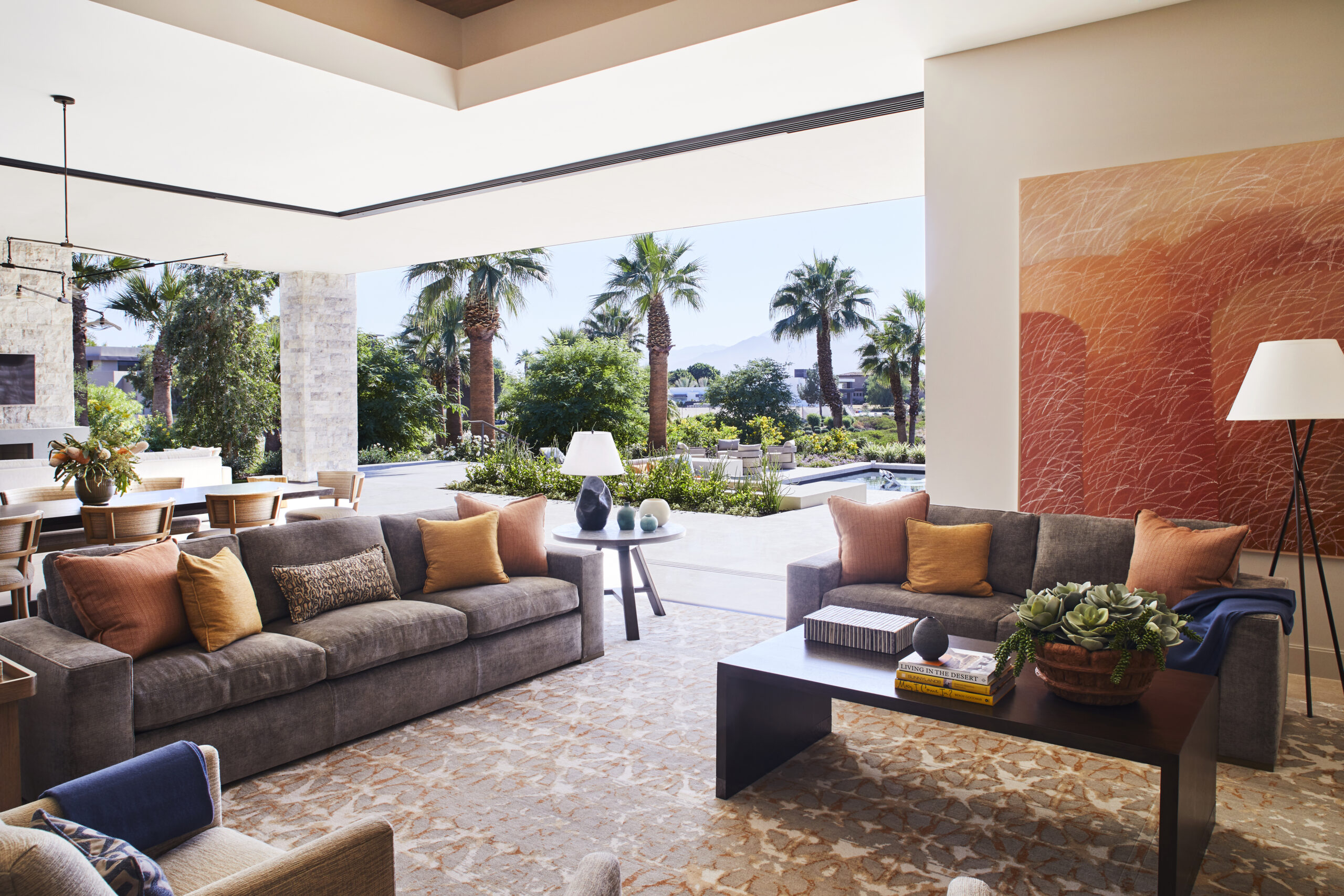
The Beginning of Your Interior Design Consultation
An interior design consultation is the first step in any successful design project, setting the foundation for collaboration, clarity, and creative direction. It’s not a sales pitch – it’s a discovery session where both parties assess compatibility, vision, and logistics.
Many people approach this first meeting with trepidation. Will the designer understand my style? Can I afford this? Will I lose control of my own home? These concerns are natural, but the consultation exists precisely to address them.
Think of this meeting as a professional conversation between two people evaluating a potential partnership. Your designer wants to understand you—how you live, what you value, what frustrates you about your current space. You want to understand them – their process, their aesthetic, their ability to translate your vision into reality.
The best consultations feel less like interviews and more like collaborative explorations of possibility. By the end, you should have clarity about whether this designer is the right partner for your project, and they should understand whether they can serve your needs effectively.
Learn more about working with an interior designer →

Before Your Interior Design Consultation: How to Prepare
Preparation transforms a good consultation into a productive one.
Gather Visual Inspiration – Create a Pinterest board, collect magazine tear sheets, or compile photos of spaces that resonate with you. Don’t worry about articulating why you love something – designers are trained to identify patterns in your selections. That collection of images reveals more about your aesthetic preferences than any verbal description could.
Document Your Current Space – Take photos of the rooms you’re considering redesigning. Include wide shots that show the entire space and detail shots of architectural features, existing furniture, or elements you want to preserve. If you have floor plans or architectural drawings, bring those too.
Clarify Your Budget – Research from ASID indicates that budget transparency during initial consultations leads to significantly more successful project outcomes. You don’t need an exact number, but a realistic range helps your designer propose appropriate solutions. Consider both your design fee budget and your total project investment, including furnishings and construction.
Define Your Timeline – When do you want the project completed? Are there specific deadlines – a holiday gathering, a milestone birthday, a seasonal consideration? Understanding timeline expectations helps your designer assess whether they can accommodate your schedule.
Identify Your Pain Points – What isn’t working in your current space? Where do you feel frustrated? What do you avoid using because it doesn’t function well? These practical concerns are as important as aesthetic aspirations.
Consider Your Lifestyle Needs – How do you actually use your spaces? Do you entertain frequently? Work from home? Have young children or pets? Collect art? These lifestyle details inform every design decision, from fabric durability to furniture configuration.
The more clarity you bring to the consultation, the more productive the conversation becomes. Designers can’t read minds, but they can interpret the information you provide with professional expertise.
What Happens During the Meeting
The structure of initial consultations varies by designer, but most follow a similar framework.
Introductions and Rapport Building – The first few minutes establish tone. Your designer might offer a tour of their studio, share their portfolio, or simply start with casual conversation. This isn’t small talk – it’s an assessment of personal chemistry that matters enormously for a collaborative relationship.
Understanding Your Project – Your designer will ask about the scope: single room or whole home? New construction, renovation, or furnishings only? What prompted this project now? These questions establish the practical parameters of what you’re undertaking.
Exploring Your Aesthetic – This is where your inspiration images become invaluable. Your designer will review what you’ve brought, asking questions about what draws you to certain spaces. They’re identifying patterns – do you gravitate toward clean minimalism or layered maximalism? Warm or cool palettes? Traditional or contemporary proportions?
For instance, when consulting with clients about a recent renovation, we asked about their evening routines. They mentioned unwinding separately – one reads books, one reads on their Kindle. This insight led us to design a reading nook with individual task lighting. These seemingly small lifestyle details fundamentally shape our design for each person.
Discussing Lifestyle and Function – How do you want to feel in this space? How will you use it? Who else lives in the home? What activities need to be accommodated? These questions ensure the design serves your life, not just your aesthetic preferences.
Reviewing the Space – If the consultation happens at your home, your designer will walk through the spaces, taking measurements, noting architectural features, observing light patterns, and asking questions about what you love and what you’d change.
Presenting the Design Process – Your designer will explain their approach: how many phases, what deliverables at each stage, typical timelines, and how decisions get made. This procedural discussion prevents surprises later. To see what an actual initial consultation looks like, watch this walkthrough of our consultation process, where we discuss the key questions and collaborative approach that sets successful projects in motion.
Discussing Investment – Good designers address budget directly and transparently. They’ll explain their fee structure – hourly, flat fee, or percentage-based – and discuss typical project costs for work similar to yours. This financial clarity is essential for informed decision-making.
Addressing Questions – You should feel encouraged to ask anything. How do they handle disagreements? What happens if you need to pause the project? How do they manage contractors? No question is too practical or too detailed.
According to industry best practices, consultations typically last 60-90 minutes, though complex projects may require more time.

Questions Your Designer Will Ask You
Expect thoughtful, sometimes unexpected questions designed to understand you beyond surface preferences. Discovering what interior designers do helps you understand why these questions matter so much.
About Your Lifestyle:
- How do you start your mornings? End your evenings?
- Do you prefer cooking together or having the kitchen to yourself?
- Where do you naturally gravitate when you come home?
- Do you enjoy hosting large gatherings or intimate dinners?
- What activities happen in each room currently? What would you like to happen?
About Your Aesthetic:
- What environments make you feel most comfortable?
- Are there hotels, restaurants, or friends’ homes you’ve loved?
- What’s your relationship with color? Pattern? Texture?
- Do you prefer spaces that feel collected over time or deliberately curated?
- What existing pieces do you want to keep, and why?
About Your Priorities:
- If you could change only one thing about your space, what would it be?
- What’s non-negotiable versus what’s flexible?
- Where are you willing to invest, and where can we be more economical?
- How do you want this space to feel different from your current environment?
About Practical Considerations:
- Who makes the final decisions?
- How involved do you want to be in the process?
- Are there specific materials, finishes, or styles you dislike?
- Do you have any physical considerations—mobility issues, allergies, sensitivities?
- Are there architectural changes you’re open to exploring?
These questions aren’t interrogation—they’re collaborative discovery. The more honest and specific your answers, the better your designer can serve your vision.
What to Bring to an Interior Design Consultation
Come prepared with both tangible items and clarity about intangibles.
Inspiration Materials:
- Pinterest boards, Instagram saves, or magazine clippings
- Photos of spaces you love (even if you can’t articulate why)
- Examples of colors, patterns, or textures that appeal to you
- Images of what you don’t want (equally valuable)
Practical Information:
- Photos of your current space from multiple angles
- Floor plans or architectural drawings if available
- Measurements of the rooms (even rough estimates help)
- List of existing furniture you want to keep or incorporate
- Any previous design plans or concepts you’ve explored
Budget Clarity:
- Realistic range for total project investment
- Understanding of what’s included in that budget (design fees, furnishings, construction)
- Flexibility parameters – where you have room to expand if needed
Questions You Want Answered:
- Write them down beforehand so you don’t forget in the moment
- Prioritize what matters most to your decision-making
- Include both creative and logistical concerns
Timeline Considerations:
- Ideal completion date
- Any hard deadlines or seasonal considerations
- Flexibility if delays occur
- When you’re ready to start
You don’t need to bring contracts, paint samples, or fabric swatches – that comes later. The consultation is about establishing foundation, not making final decisions.

Evaluating Chemistry and Fit
Technical competence matters, but so does personal connection.
Listen to How They Listen – Do they ask follow-up questions about your answers? Do they seem genuinely curious about your lifestyle, or are they waiting to pitch their services? Great designers are exceptional listeners who hear what you’re saying and what you’re not saying.
Assess Their Communication Style – Are they explaining concepts in ways you understand, or using jargon that excludes you? Do they educate without condescension? Can you imagine having difficult conversations with this person when disagreements arise?
Observe Their Process – How organized do they seem? Do they take notes? Ask permission before making suggestions? Respect your preferences even when they differ from their typical approach? These small behaviors indicate how they’ll manage your project.
Consider Their Aesthetic Flexibility – While reviewing their portfolio, do you see range and adaptability, or does everything look similar? Can they articulate how they’d approach your style even if it differs from their usual work? Designers should serve your vision, not impose their signature.
Trust Your Instincts – Sometimes the best designer on paper doesn’t feel right in person. That’s valuable information. You’ll be working closely together for months—comfort and trust matter as much as credentials.
Evaluate Their Questions – Did they ask about your lifestyle and priorities, or only about aesthetics and budget? The depth and thoughtfulness of their questions reveal how they approach design—as problem-solving or just decoration. Leading design publications emphasize that the best designers prioritize understanding clients’ lives before discussing style.
If something feels off, that’s okay. Not every designer-client pairing works, even when both parties are excellent at what they do. Chemistry matters.
What Happens After the Consultation
The consultation is step one in a multi-phase process.
No Immediate Decisions Required – Reputable designers don’t pressure you to commit during the meeting. You should feel free to go home, reflect, and make a thoughtful decision. If you feel rushed, that’s a red flag.
Expect a Proposal – Within a few days to a week, your designer will likely send a proposal outlining scope of work, fee structure, estimated timeline, and next steps. This document should be clear, comprehensive, and aligned with your consultation discussion.
Review Carefully – Read the proposal thoroughly. Does it reflect what you discussed? Are fees transparent and detailed? Is the scope of services clearly defined? Do you understand what’s included and what’s not? Understanding typical design investment and project timelines helps you evaluate proposals more effectively. Learn more about budgeting for interior design →
Ask Follow-Up Questions – If anything is unclear, ask. Good designers welcome questions and provide clarification gladly. Ambiguity now leads to problems later.
Take Time to Decide – Consider the designer’s portfolio, process, fee structure, and your personal comfort level. If you’re consulting with multiple designers, compare thoughtfully – not just on price, but on value, approach, and fit.
Communicate Your Decision – Whether yes or no, respond professionally. If you choose to move forward, the designer will send a contract and payment schedule. If you decline, a brief note is courteous and maintains the relationship for potential future collaboration.
The consultation is the beginning of the conversation, not the conclusion. It establishes whether there’s mutual interest and compatibility to proceed.
Explore the complete interior design process from concept to installation →

Red Flags to Watch For
Most designers are ethical professionals, but awareness of concerning behaviors protects you.
Pressure to Commit Immediately – Legitimate designers understand this is a significant decision and give you time to consider. High-pressure tactics suggest desperation, not confidence.
Vague or Unclear Pricing – If a designer can’t or won’t explain their fee structure clearly, proceed cautiously. You deserve transparency about what you’re investing and what you’re receiving.
Dismissiveness of Your Ideas – While designers should guide you away from costly mistakes, they should never make you feel foolish for your preferences. Respect is non-negotiable.
Talking More Than Listening – If the consultation feels like a monologue about the designer’s awards, famous clients, or signature style, they’re not focused on understanding you.
Lack of Process Clarity – If the designer can’t articulate their process, timeline, or deliverables clearly, they may not have a structured approach. Good designers have refined systems.
Overconfidence About Budget or Timeline – Be wary of designers who promise definitive budgets or timelines before understanding the full scope. Industry experts recommend that responsible designers provide ranges and explain variables that could affect both cost and schedule. Realistic professionals account for unknowns rather than making guarantees they can’t keep.
No Portfolio or References – Any established designer should have completed projects to show and clients willing to speak about their experience. Absence of either is concerning.
Poor Communication After the Meeting – If they’re unresponsive or slow to provide the promised proposal, that behavior will likely continue throughout the project.
Trust your instincts. If something feels wrong, it probably is.
Making the Most of Your Consultation
Small strategies maximize the value of this initial meeting.
Be Honest About Concerns – If you’re worried about cost, losing control, or timeline, say so. Addressing fears openly allows your designer to speak to them directly.
Don’t Hide Budget Limitations – Designers can create beauty at any price point, but they need to know your parameters. Hiding budget information wastes everyone’s time.
Ask About Their Failures – How do they handle mistakes? What’s the worst that’s gone wrong on a project, and how did they resolve it? Answers reveal character and problem-solving ability.
Discuss Decision-Making Process – If you’re partnering with a spouse or family member, clarify how decisions will be made. Will you both attend meetings? How will disagreements be resolved? Who has final say?
Bring Your Authentic Self – Don’t try to seem more knowledgeable or decisive than you are. Vulnerability and honesty create better foundations than posturing.
Take Notes – You’ll consult with potentially multiple designers. Notes help you remember details, compare approaches, and make informed decisions later.
The consultation is your opportunity to interview the designer as much as they’re learning about you. Use it wisely.

Frequently Asked Questions
Do interior design consultations cost money?
Policies vary. Some designers offer complimentary initial consultations (typically 30-60 minutes) as a mutual discovery session. Others charge for consultations ($150-$500+) and may credit that fee toward your project if you proceed. Ask about consultation fees when scheduling to avoid surprises.
How long does an initial consultation take?
Most consultations last 60-90 minutes. Simple projects (single room, furnishings only) may require less time. Comprehensive whole-home renovations may need extended meetings or multiple consultations. The designer should communicate expected duration when scheduling.
Should I consult with multiple designers?
Yes, if you’re uncertain. Consulting with 2-3 designers helps you compare approaches, aesthetics, and chemistry. More than three can become overwhelming. Choose designers whose portfolios already resonate with your taste to make comparisons meaningful.
What if I don’t know my budget yet?
Come with a realistic range based on research, even if rough. Designers can help you understand what’s achievable at different investment levels. Saying “I have no budget” isn’t helpful; saying “I’m thinking $50-75K but open to guidance” gives your designer something to work with.
Can I bring my spouse or partner to the consultation?
Absolutely, and it’s often recommended if you’re making decisions together. Having all decision-makers present prevents miscommunication and ensures everyone’s input is considered from the beginning. Just let the designer know when scheduling so they can allocate sufficient time.
What if I don’t like the designer’s portfolio but someone recommended them?
Trust your instincts. Recommendations are valuable, but aesthetic alignment matters. If their portfolio doesn’t resonate, you’re unlikely to love what they create for you—even if they’re technically excellent. Look for designers whose existing work excites you.
What questions should I ask at an interior design consultation?
Ask about their design philosophy and process, fee structure and payment terms, typical project timeline, how they handle budget management, who will be your primary contact, how they manage contractors and vendors, and what happens if you disagree on design direction. Request references from recent clients and examples of how they’ve solved challenges similar to yours.
The Foundation of Success
The initial consultation isn’t a formality – it’s the foundation upon which your entire project rests.
Done well, this meeting establishes mutual understanding, realistic expectations, and genuine partnership. It reveals whether the designer can translate your vision into reality and whether you can collaborate effectively through challenges.
The best consultations leave both parties energized about possibilities. You should feel heard, understood, and confident that this designer sees what you see. They should feel equipped with the information needed to create spaces that enhance your life.
This isn’t about finding the designer with the most impressive portfolio or the lowest fees. It’s about finding the right partner for your project—someone whose expertise, process, and personality align with your needs and values.
Take your time. Ask questions. Trust your instincts. The right designer-client relationship transforms not just your space, but your entire experience of home.
A thoughtful interior design consultation creates the clarity, trust, and alignment needed for a successful design experience.
Ready to begin your design journey? Learn about working with an interior designer →
Schedule your consultation with Willetts Design and discover how thoughtful collaboration creates interiors that enhance daily life with enduring beauty and intention.