Skip to content
  • Portfolio
  • Services
  • About
  • Shop
  • Portfolio
  • Services
  • About
  • Shop
  • Video
  • Press
  • Blog
  • Contact
  • Video
  • Press
  • Blog
  • Contact
What Interior Designers Do: The Full Scope
  • Design

What Interior Designers Do: The Full Scope

  • By Dorothy Willetts

Understanding the Interior Designer’s Role

What do interior designers do? When most people think of interior designers, they envision someone selecting throw pillows and paint colors. While aesthetics certainly matter, that perception vastly underestimates what interior designers actually do and the depth they bring to every project.

Interior designers are strategic partners who blend creative vision with technical expertise, project management acumen, and an extensive network of resources. They serve as the central orchestrator of complex transformations, managing relationships between architects, contractors, artisans, and clients while ensuring every decision serves both form and function.

For those who’ve worked with designers before, you know the value extends far beyond the visual. For those new to the process, understanding what interior designers do and the full scope of interior design services helps you appreciate why this investment transforms not just spaces, but how you experience your home every single day.

Learn more about working with an interior designer →

The Interior Design Process: From Concept to Completion

Space Planning and Functional Design

Before a single piece of furniture is selected or a paint color considered, interior designers analyze how you live.

Spatial Analysis: Designers measure and document existing conditions, noting architectural features, natural light patterns, traffic flow, and structural constraints. They understand proportions and scale in ways that prevent the common mistake of furniture that’s too large or too small for a space.

Functional Programming: How do you use each room? Do you entertain frequently? Work from home? Have young children or aging parents? Designers translate lifestyle requirements into spatial solutions, ensuring rooms not only look beautiful but support your daily rituals seamlessly.

Flow and Circulation: The way you move through your home matters. Designers optimize circulation patterns, eliminate bottlenecks, and create intuitive transitions between spaces. This often involves repositioning doorways, reconfiguring layouts, or removing walls—decisions that require coordination with architects and structural engineers.

Furniture Layouts: Beyond arranging what you already own, designers create scaled floor plans that account for clearances, sight lines, and conversation groupings. They know that a successful living room isn’t just about a beautiful sofa—it’s about how that sofa relates to the fireplace, the view, and the flow of people moving through the space.

This foundational work happens before you see a single design presentation, yet it determines whether your finished space truly works for how you live.

Architectural Coordination and Technical Design

What Interior Designers Do: The Full Scope

Interior designers don’t work in isolation—they collaborate with architects to ensure aesthetic vision aligns with structural reality.

Reading and Interpreting Plans: Designers fluently read architectural drawings, elevations, and construction documents. They identify opportunities and constraints early, preventing costly changes during construction.

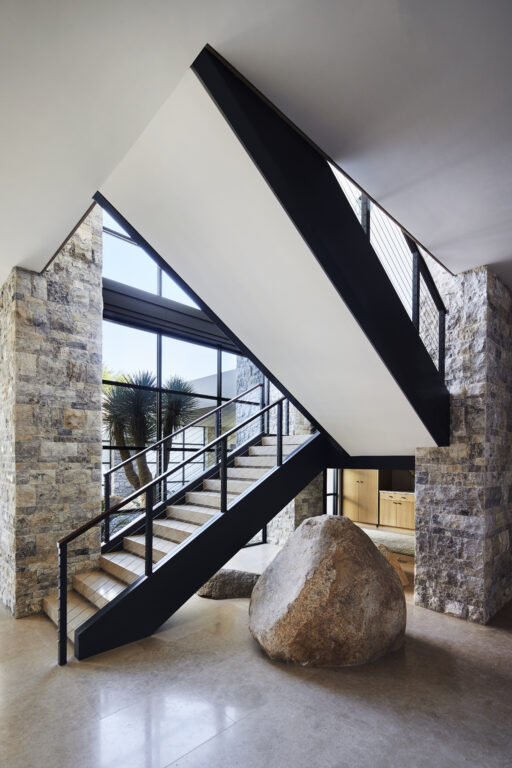
Coordinating Structural Changes: When walls need to move, ceilings need to be raised, or windows need to be relocated, designers work alongside architects to ensure these modifications support the interior design intent. They advocate for ceiling heights that accommodate statement lighting, window placements that frame views, and door locations that preserve wall space for furniture or art.

Building Code Knowledge: Professional interior designers understand building codes, accessibility requirements, and safety regulations. They know egress requirements, fire ratings for materials, and ADA compliance—essential knowledge that protects both your investment and your family’s safety.

Detailing and Millwork Design: Custom built-ins, architectural moldings, coffered ceilings, and integrated cabinetry require detailed drawings and specifications. Designers create shop drawings that communicate precise measurements, materials, and finishes to fabricators and contractors.

This technical expertise ensures design vision translates into buildable reality, no surprises, no costly do-overs.

Discover how designers build the right project team →

Material and Finish Specification

Selecting materials is about far more than what looks good in a photograph.

Performance and Durability: Designers know which marble can withstand kitchen use and which can’t. They understand fabric performance ratings, wood species characteristics, and finish durability. A sofa upholstered in linen looks elegant, but if you have pets or young children, a performance fabric that mimics linen’s texture while resisting stains serves you better.

Sustainability and Health: Conscientious designers specify low-VOC paints, formaldehyde-free cabinetry, and sustainably sourced materials. They understand indoor air quality and the long-term health implications of material choices.

Availability and Lead Times: Luxury materials often have extended lead times. Designers maintain relationships with suppliers and understand procurement timelines, ordering materials in the correct sequence to prevent project delays.

Cost Management: Not every surface needs to be clad in rare stone. Designers know where to invest for maximum impact and where more economical options perform equally well. This strategic allocation ensures that the budget serves the design vision rather than limiting it.

Cohesion Across Materials: Stone, tile, wood, metal, glass, fabric, each material has undertones and characteristics that must harmonize. Designers orchestrate this complex palette so every element feels intentionally related rather than randomly assembled.

According to industry research, the material specification phase often prevents 30-40% of potential project delays by addressing sourcing and compatibility issues before installation begins.

Lighting Design:

Lighting transforms spaces more dramatically than any other single element, yet it’s frequently the most overlooked aspect of home design.

Layered Lighting Strategy: Designers create lighting plans that layer ambient, task, and accent lighting. A room needs general illumination, focused light for specific activities, and accent lighting to highlight architecture or art. This layering, essential to creating sophisticated interiors according to design professionals, creates depth, mood, and functionality that overhead fixtures alone cannot achieve.

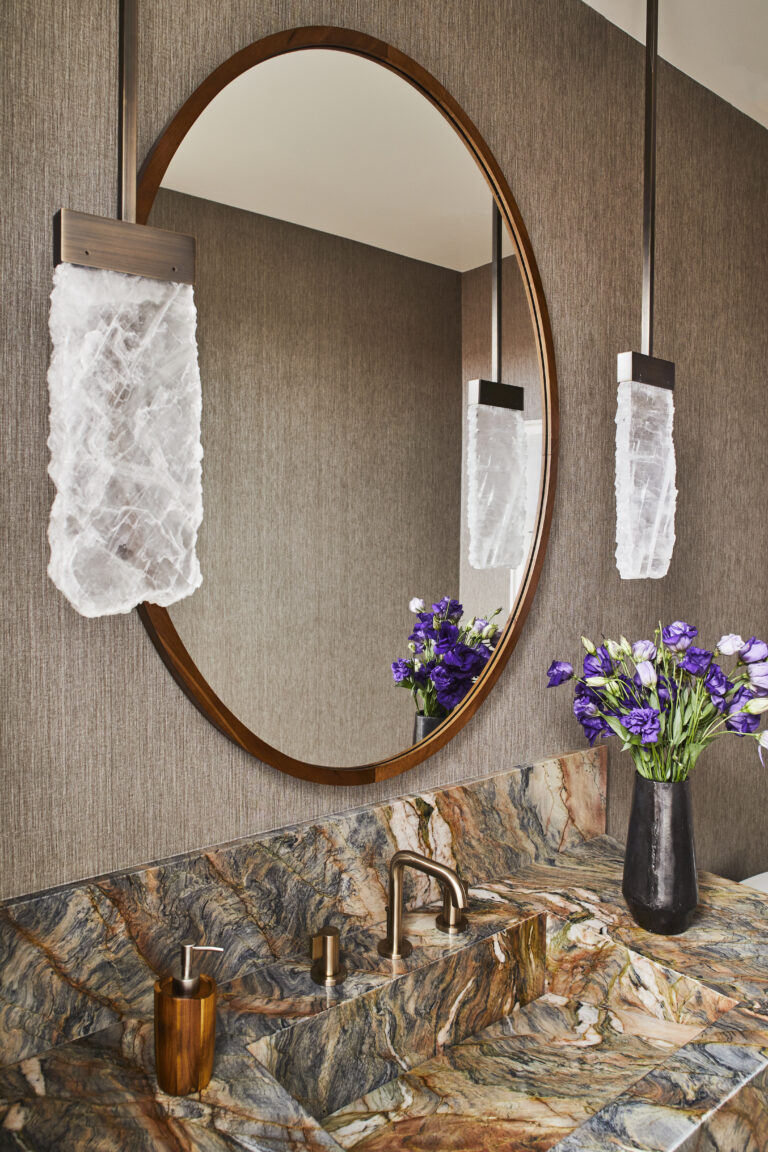
Fixture Selection and Placement: Scale matters enormously. That chandelier you love might overwhelm a small dining room or look lost in a grand foyer. Designers specify fixtures sized appropriately for the space and positioned to provide optimal illumination without glare.

Technical Specifications: Color temperature, beam angles, dimming capabilities, and lumens, these technical considerations determine whether lighting enhances or undermines your design. Designers collaborate with lighting designers or electrical engineers on complex projects, ensuring technical execution matches creative intent.

Natural Light Optimization: Window treatments, mirror placement, and surface finishes all affect how natural light moves through your space. Designers maximize daylight while controlling glare and heat gain.

Control Systems: Modern lighting control systems allow you to create scenes for different times of day or activities. Designers program these systems so lighting adapts to how you live, from morning coffee to evening entertaining.

Exceptional lighting design is nearly invisible, you don’t notice the fixtures as much as you notice how beautiful everything looks and how comfortable the space feels.

What Interior Designers Do: The Full Scope

Custom Design and Procurement

One of the most valuable aspects of working with an interior designer is access to resources unavailable to the general public.

Trade-Only Resources: Designers maintain accounts with trade-only showrooms, fabric houses, and manufacturers that don’t sell directly to consumers. This access means exclusive collections, better pricing, and pieces you simply can’t find on your own.

Custom Furniture Design: When existing options don’t meet your needs, designers create custom pieces. They work with fabricators to design sofas in exact dimensions, dining tables that accommodate your specific seating needs, or case goods that fit architectural niches perfectly.

Bespoke Millwork: Built-in cabinetry, entertainment centers, window seats, and architectural details tailored to your space, designers create detailed drawings that craftspeople use to build one-of-a-kind elements that look like they’ve always belonged.

Artisan Relationships: From upholsterers to metalworkers, stone fabricators to drapery workrooms, designers have relationships with skilled artisans who execute work to the highest standards. These aren’t contractors you’d find on internet searches; they’re specialists recommended through years of industry relationships.

Specification and Ordering:  Every item requires precise specifications: dimensions, materials, finishes, fabrics, trims. Designers manage this complex documentation, ensuring orders are correct the first time and tracking delivery timelines across dozens of vendors.

Quality Control: Before anything arrives at your home, designers inspect pieces at workrooms or warehouses, checking for defects, verifying finishes match samples, and ensuring quality meets expectations.

This procurement expertise alone often saves clients more than design fees cost—through trade pricing, avoiding costly mistakes, and accessing resources that elevate the finished result.

Project Management and Coordination

Behind every flawless installation is meticulous project management that clients never see.

Timeline Development: Designers create comprehensive project schedules that sequence work logically: architectural changes before finishes, finishes before furniture, furniture before styling. They account for lead times, contractor availability, and seasonal considerations.

Contractor Coordination: Your designer serves as the central point of contact, communicating with general contractors, electricians, plumbers, painters, and installers. This single point of coordination prevents miscommunication and ensures everyone works toward the same vision.

Budget Tracking: Throughout the project, designers track expenses against budget, flagging potential overruns early and presenting solutions. They manage change orders, approve invoices, and maintain detailed financial records.

Problem Solving: When the unexpected happens, a discontinued fabric, a delayed shipment, an installation challenge, designers pivot quickly, presenting alternatives and managing solutions so the project stays on track.

Site Supervision: During construction and installation, designers visit the site regularly, verifying work meets design intent and addressing issues in real-time rather than after the fact.

Installation Management: When furniture and accessories arrive, designers oversee placement, styling, and the final reveal. They ensure everything is positioned correctly, accessories are styled thoughtfully, and any last-minute adjustments are made before you see the finished space.

According to data from the National Kitchen & Bath Association, projects managed by design professionals are 60% more likely to complete on time and within budget compared to homeowner-managed renovations.

Working With an Interior Designer: Your Complete Guide

Creative Direction and Aesthetic Vision

While technical expertise and project management are essential, designers are ultimately hired for their creative vision.

Concept Development: Designers translate your aspirations, lifestyle, and personality into cohesive design concepts. They create mood boards, material palettes, and visual presentations that communicate design direction before anything is purchased or built.

Curated Selections: Rather than overwhelming you with endless options, designers present carefully curated choices that align with the established design direction. This eliminates decision fatigue while ensuring every selection serves the overall vision.

Balancing Trends and Timelessness: Designers understand the difference between fleeting trends and enduring design principles. They create spaces that feel current without being dated five years from now, incorporating personal style in ways that transcend temporary fashions.

Layering and Composition: Great rooms have depth and complexity, a layering of textures, a mix of periods, an interplay of patterns and solids. Designers understand composition principles that create visual interest without chaos, sophistication without sterility.

Art and Accessory Curation: The final layer; art, books, objects, plants, is where spaces become deeply personal. Designers help you edit collections, source meaningful pieces, and arrange accessories in ways that feel collected over time rather than decorated in a day.

This creative expertise is what transforms a well-planned, beautifully built space into a home that tells your story with intention and artistry.

Explore the complete interior design process →

Color Theory and Palette Development 

Color is one of the most powerful tools in interior design—and one of the most misunderstood.

Understanding Undertones: Every color has undertones that must harmonize with adjacent colors, natural light, and existing finishes. Designers see these subtle relationships that prevent colors from clashing or feeling muddy.

Creating Cohesion: A successful color palette flows throughout your home, creating unity while allowing individual rooms to have distinct personalities. Designers develop palettes that connect spaces without feeling repetitive.

Psychological Impact: Colors affect mood and perception. Designers understand color psychology and how to use it intentionally—energizing spaces meant for activity, calming spaces meant for rest.

Testing and Sampling: Designers never select colors from tiny paint chips. They order samples, test them in your actual lighting conditions, and observe how they change throughout the day before making final selections.

Beyond Paint: Color comes from every material in the space, wood tones, stone, fabrics, metals. Designers orchestrate this entire color composition, ensuring everything works together harmoniously.

A well-developed color palette elevates even modest budgets, while poor color choices undermine even expensive materials.

The Value of Interior Designer Experience and Expertise

Interior designers bring years of training and real-world experience to every project.

Formal Education: Professional designers typically hold degrees in interior design, studying space planning, color theory, building systems, materials science, and design history. According to ASID, interior designers have formal training in technical knowledge including building codes, interior construction, design psychology, and product performance. Many hold certifications like NCIDQ (National Council for Interior Design Qualification) that demonstrate tested competency.

Continuous Learning: The design industry evolves constantly, new materials, technologies, sustainability practices, and building codes. Professional designers invest in continuing education to stay current.

Lessons from Past Projects: Designers learn from hundreds of projects what works and what doesn’t. They’ve seen how different materials age, which contractors deliver quality work, and how to prevent problems before they occur.

Mistake Prevention: The most valuable service designers provide might be preventing costly errors. They’ve seen what happens when furniture is ordered in the wrong scale, when finishes aren’t properly protected during construction, when timelines aren’t properly sequenced. Their experience protects your investment.

Objective Perspective: Designers offer professional objectivity that’s impossible when you’re emotionally invested in your own home. They see possibilities you might miss and identify problems you might overlook.

This accumulated expertise is why working with a professional designer typically costs less in the long run than attempting complex projects independently.

Beyond the Obvious: What Interior Designers Do Behind the Scenes

Much of what interior designers do happens behind the scenes, invisible to clients but essential to outcomes.

Vendor Negotiations: Designers negotiate pricing, delivery schedules, and terms on your behalf, often securing concessions that individual buyers cannot.

Troubleshooting in Real-Time: When something goes wrong on-site, designers address it immediately rather than waiting for your next meeting. This responsiveness prevents small issues from becoming major problems.

Protecting Design Intent: During construction, contractors sometimes suggest “easier” alternatives that compromise design vision. Your designer protects the original intent, ensuring the built result matches what you approved.

Managing Personalities: Construction projects bring together multiple strong personalities. Designers mediate conflicts, maintain professional relationships, and keep everyone focused on the shared goal.

Documentation: Designers maintain comprehensive records—specifications, orders, invoices, warranties, paint colors, sources. Years later, when you need to touch up paint or reorder fabric, these records prove invaluable.

Post-Project Support: After installation, questions arise. How do you clean this stone? Where did that light fixture come from? Your designer remains a resource long after the project concludes.

These intangible services add enormous value that’s difficult to quantify but deeply appreciated by everyone who’s experienced a designer-managed project.

What Interior Designers Do: The Full Scope

Frequently Asked Questions

What’s the difference between an interior designer and an interior decorator?

Interior designers typically have formal education in space planning, building codes, and technical design. Many hold professional certifications (NCIDQ, ASID membership) and can coordinate with architects on structural changes. Interior decorators primarily focus on furnishings, finishes, and styling within existing architecture. For projects involving construction, renovation, or comprehensive design, you need an interior designer.

Do interior designers just shop for furniture?

No. While procurement is one aspect of the role, interior designers provide comprehensive services including space planning, architectural coordination, material specification, lighting design, custom furniture design, contractor coordination, budget management, and project oversight. Shopping for furniture is actually a relatively small part of what designers do.

How do interior designers charge for their services?

Fee structures vary. Common approaches include: hourly rates ($150-$500+ depending on experience and market), percentage of project cost (typically 10-30%), flat fees for defined scope, or hybrid models combining these methods. Many designers also receive design trade discounts on furnishings and materials, which can offset fees.

Can I work with an interior designer if I’m not doing a full renovation?

Absolutely. Interior designers offer services at various scales—from single-room designs to whole-home renovations. Some offer hourly consultations where you pay only for design guidance and advice. Others provide furnishings and styling services for spaces that don’t require architectural changes. Discuss your scope and budget during the initial consultation.

How involved will I be in the design process?

As involved as you want to be. Your designer will present concepts, material selections, and furniture options for your approval at each phase. Nothing moves forward without your sign-off. Some clients prefer to review only major decisions, while others want to be involved in every detail. Good designers adapt their process to your preferred level of involvement.

What should I look for when hiring an interior designer?

Review their portfolio to ensure their aesthetic aligns with yours. Ask about their process, fee structure, and typical project timeline. Request references from recent clients. Verify credentials and professional affiliations (ASID, NCIDQ). Most importantly, assess whether you feel heard and comfortable—you’ll be working closely together, so personal chemistry matters.

The Complete Picture

Interior designers do far more than most people realize. They’re spatial strategists, technical experts, project managers, creative directors, and client advocates—all in one.

They prevent costly mistakes, manage complex logistics, provide access to exclusive resources, and translate your vision into realized spaces with a level of sophistication and functionality you couldn’t achieve independently.

For those who’ve worked with designers before, you understand this value. For those considering it for the first time, understanding the full scope helps you appreciate why this investment transforms not just your space, but how you experience home every day.

The question isn’t whether you can afford to work with an interior designer—it’s whether you can afford not to.

Ready to explore what’s possible for your space? Learn about working with an interior designer →

Discover how Willetts Design brings comprehensive expertise to every project—from initial concept through flawless execution. Schedule your consultation today.

PrevPrev
NextNext

Get in Touch

Let's get started on your project!

  • This field is for validation purposes and should be left unchanged.
Willetts Design & Associates table and lamp
Contact

310.507.9692 | 760.777.9044

info@willettsdesign.com

Join our mailing list for a closer look at our process and previews of our latest collection:
  • Facebook
  • Instagram
  • Houzz
  • Pinterest
  • LinkedIn
© Copyright Willetts Design & Associates
Privacy Policy | Terms & Conditions

Site by Cooper House

Willetts Design and Associates patio
  • Portfolio
  • Services
  • About
  • Shop
  • Press
  • Blog
  • Portfolio
  • Services
  • About
  • Shop
  • Press
  • Blog
  • Facebook
  • Instagram
  • Houzz
  • Pinterest
  • LinkedIn
  • Contact
  • Search
  • Subscribe
  • Terms & Conditions

Vendor Return Policy

Understanding the Interior Designer's Role

What do interior designers do? When most people think of interior designers, they envision someone selecting throw pillows and paint colors. While aesthetics certainly matter, that perception vastly underestimates what interior designers actually do and the depth they bring to every project.

Interior designers are strategic partners who blend creative vision with technical expertise, project management acumen, and an extensive network of resources. They serve as the central orchestrator of complex transformations, managing relationships between architects, contractors, artisans, and clients while ensuring every decision serves both form and function.

For those who've worked with designers before, you know the value extends far beyond the visual. For those new to the process, understanding what interior designers do and the full scope of interior design services helps you appreciate why this investment transforms not just spaces, but how you experience your home every single day.

Learn more about working with an interior designer →

The Interior Design Process: From Concept to Completion

Space Planning and Functional Design

Before a single piece of furniture is selected or a paint color considered, interior designers analyze how you live.

Spatial Analysis: Designers measure and document existing conditions, noting architectural features, natural light patterns, traffic flow, and structural constraints. They understand proportions and scale in ways that prevent the common mistake of furniture that's too large or too small for a space.

Functional Programming: How do you use each room? Do you entertain frequently? Work from home? Have young children or aging parents? Designers translate lifestyle requirements into spatial solutions, ensuring rooms not only look beautiful but support your daily rituals seamlessly.

Flow and Circulation: The way you move through your home matters. Designers optimize circulation patterns, eliminate bottlenecks, and create intuitive transitions between spaces. This often involves repositioning doorways, reconfiguring layouts, or removing walls—decisions that require coordination with architects and structural engineers.

Furniture Layouts: Beyond arranging what you already own, designers create scaled floor plans that account for clearances, sight lines, and conversation groupings. They know that a successful living room isn't just about a beautiful sofa—it's about how that sofa relates to the fireplace, the view, and the flow of people moving through the space.

This foundational work happens before you see a single design presentation, yet it determines whether your finished space truly works for how you live.

Architectural Coordination and Technical Design

What Interior Designers Do: The Full Scope

Interior designers don't work in isolation—they collaborate with architects to ensure aesthetic vision aligns with structural reality.

Reading and Interpreting Plans: Designers fluently read architectural drawings, elevations, and construction documents. They identify opportunities and constraints early, preventing costly changes during construction.

Coordinating Structural Changes: When walls need to move, ceilings need to be raised, or windows need to be relocated, designers work alongside architects to ensure these modifications support the interior design intent. They advocate for ceiling heights that accommodate statement lighting, window placements that frame views, and door locations that preserve wall space for furniture or art.

Building Code Knowledge: Professional interior designers understand building codes, accessibility requirements, and safety regulations. They know egress requirements, fire ratings for materials, and ADA compliance—essential knowledge that protects both your investment and your family's safety.

Detailing and Millwork Design: Custom built-ins, architectural moldings, coffered ceilings, and integrated cabinetry require detailed drawings and specifications. Designers create shop drawings that communicate precise measurements, materials, and finishes to fabricators and contractors.

This technical expertise ensures design vision translates into buildable reality, no surprises, no costly do-overs.

Discover how designers build the right project team →

Material and Finish Specification

Selecting materials is about far more than what looks good in a photograph.

Performance and Durability: Designers know which marble can withstand kitchen use and which can't. They understand fabric performance ratings, wood species characteristics, and finish durability. A sofa upholstered in linen looks elegant, but if you have pets or young children, a performance fabric that mimics linen's texture while resisting stains serves you better.

Sustainability and Health: Conscientious designers specify low-VOC paints, formaldehyde-free cabinetry, and sustainably sourced materials. They understand indoor air quality and the long-term health implications of material choices.

Availability and Lead Times: Luxury materials often have extended lead times. Designers maintain relationships with suppliers and understand procurement timelines, ordering materials in the correct sequence to prevent project delays.

Cost Management: Not every surface needs to be clad in rare stone. Designers know where to invest for maximum impact and where more economical options perform equally well. This strategic allocation ensures that the budget serves the design vision rather than limiting it.

Cohesion Across Materials: Stone, tile, wood, metal, glass, fabric, each material has undertones and characteristics that must harmonize. Designers orchestrate this complex palette so every element feels intentionally related rather than randomly assembled.

According to industry research, the material specification phase often prevents 30-40% of potential project delays by addressing sourcing and compatibility issues before installation begins.

Lighting Design:

Lighting transforms spaces more dramatically than any other single element, yet it's frequently the most overlooked aspect of home design.

Layered Lighting Strategy: Designers create lighting plans that layer ambient, task, and accent lighting. A room needs general illumination, focused light for specific activities, and accent lighting to highlight architecture or art. This layering, essential to creating sophisticated interiors according to design professionals, creates depth, mood, and functionality that overhead fixtures alone cannot achieve.

Fixture Selection and Placement: Scale matters enormously. That chandelier you love might overwhelm a small dining room or look lost in a grand foyer. Designers specify fixtures sized appropriately for the space and positioned to provide optimal illumination without glare.

Technical Specifications: Color temperature, beam angles, dimming capabilities, and lumens, these technical considerations determine whether lighting enhances or undermines your design. Designers collaborate with lighting designers or electrical engineers on complex projects, ensuring technical execution matches creative intent.

Natural Light Optimization: Window treatments, mirror placement, and surface finishes all affect how natural light moves through your space. Designers maximize daylight while controlling glare and heat gain.

Control Systems: Modern lighting control systems allow you to create scenes for different times of day or activities. Designers program these systems so lighting adapts to how you live, from morning coffee to evening entertaining.

Exceptional lighting design is nearly invisible, you don't notice the fixtures as much as you notice how beautiful everything looks and how comfortable the space feels.

What Interior Designers Do: The Full Scope

Custom Design and Procurement

One of the most valuable aspects of working with an interior designer is access to resources unavailable to the general public.

Trade-Only Resources: Designers maintain accounts with trade-only showrooms, fabric houses, and manufacturers that don't sell directly to consumers. This access means exclusive collections, better pricing, and pieces you simply can't find on your own.

Custom Furniture Design: When existing options don't meet your needs, designers create custom pieces. They work with fabricators to design sofas in exact dimensions, dining tables that accommodate your specific seating needs, or case goods that fit architectural niches perfectly.

Bespoke Millwork: Built-in cabinetry, entertainment centers, window seats, and architectural details tailored to your space, designers create detailed drawings that craftspeople use to build one-of-a-kind elements that look like they've always belonged.

Artisan Relationships: From upholsterers to metalworkers, stone fabricators to drapery workrooms, designers have relationships with skilled artisans who execute work to the highest standards. These aren't contractors you'd find on internet searches; they're specialists recommended through years of industry relationships.

Specification and Ordering:  Every item requires precise specifications: dimensions, materials, finishes, fabrics, trims. Designers manage this complex documentation, ensuring orders are correct the first time and tracking delivery timelines across dozens of vendors.

Quality Control: Before anything arrives at your home, designers inspect pieces at workrooms or warehouses, checking for defects, verifying finishes match samples, and ensuring quality meets expectations.

This procurement expertise alone often saves clients more than design fees cost—through trade pricing, avoiding costly mistakes, and accessing resources that elevate the finished result.

Project Management and Coordination

Behind every flawless installation is meticulous project management that clients never see.

Timeline Development: Designers create comprehensive project schedules that sequence work logically: architectural changes before finishes, finishes before furniture, furniture before styling. They account for lead times, contractor availability, and seasonal considerations.

Contractor Coordination: Your designer serves as the central point of contact, communicating with general contractors, electricians, plumbers, painters, and installers. This single point of coordination prevents miscommunication and ensures everyone works toward the same vision.

Budget Tracking: Throughout the project, designers track expenses against budget, flagging potential overruns early and presenting solutions. They manage change orders, approve invoices, and maintain detailed financial records.

Problem Solving: When the unexpected happens, a discontinued fabric, a delayed shipment, an installation challenge, designers pivot quickly, presenting alternatives and managing solutions so the project stays on track.

Site Supervision: During construction and installation, designers visit the site regularly, verifying work meets design intent and addressing issues in real-time rather than after the fact.

Installation Management: When furniture and accessories arrive, designers oversee placement, styling, and the final reveal. They ensure everything is positioned correctly, accessories are styled thoughtfully, and any last-minute adjustments are made before you see the finished space.

According to data from the National Kitchen & Bath Association, projects managed by design professionals are 60% more likely to complete on time and within budget compared to homeowner-managed renovations.

Working With an Interior Designer: Your Complete Guide

Creative Direction and Aesthetic Vision

While technical expertise and project management are essential, designers are ultimately hired for their creative vision.

Concept Development: Designers translate your aspirations, lifestyle, and personality into cohesive design concepts. They create mood boards, material palettes, and visual presentations that communicate design direction before anything is purchased or built.

Curated Selections: Rather than overwhelming you with endless options, designers present carefully curated choices that align with the established design direction. This eliminates decision fatigue while ensuring every selection serves the overall vision.

Balancing Trends and Timelessness: Designers understand the difference between fleeting trends and enduring design principles. They create spaces that feel current without being dated five years from now, incorporating personal style in ways that transcend temporary fashions.

Layering and Composition: Great rooms have depth and complexity, a layering of textures, a mix of periods, an interplay of patterns and solids. Designers understand composition principles that create visual interest without chaos, sophistication without sterility.

Art and Accessory Curation: The final layer; art, books, objects, plants, is where spaces become deeply personal. Designers help you edit collections, source meaningful pieces, and arrange accessories in ways that feel collected over time rather than decorated in a day.

This creative expertise is what transforms a well-planned, beautifully built space into a home that tells your story with intention and artistry.

Explore the complete interior design process →

Color Theory and Palette Development 

Color is one of the most powerful tools in interior design—and one of the most misunderstood.

Understanding Undertones: Every color has undertones that must harmonize with adjacent colors, natural light, and existing finishes. Designers see these subtle relationships that prevent colors from clashing or feeling muddy.

Creating Cohesion: A successful color palette flows throughout your home, creating unity while allowing individual rooms to have distinct personalities. Designers develop palettes that connect spaces without feeling repetitive.

Psychological Impact: Colors affect mood and perception. Designers understand color psychology and how to use it intentionally—energizing spaces meant for activity, calming spaces meant for rest.

Testing and Sampling: Designers never select colors from tiny paint chips. They order samples, test them in your actual lighting conditions, and observe how they change throughout the day before making final selections.

Beyond Paint: Color comes from every material in the space, wood tones, stone, fabrics, metals. Designers orchestrate this entire color composition, ensuring everything works together harmoniously.

A well-developed color palette elevates even modest budgets, while poor color choices undermine even expensive materials.

The Value of Interior Designer Experience and Expertise

Interior designers bring years of training and real-world experience to every project.

Formal Education: Professional designers typically hold degrees in interior design, studying space planning, color theory, building systems, materials science, and design history. According to ASID, interior designers have formal training in technical knowledge including building codes, interior construction, design psychology, and product performance. Many hold certifications like NCIDQ (National Council for Interior Design Qualification) that demonstrate tested competency.

Continuous Learning: The design industry evolves constantly, new materials, technologies, sustainability practices, and building codes. Professional designers invest in continuing education to stay current.

Lessons from Past Projects: Designers learn from hundreds of projects what works and what doesn't. They've seen how different materials age, which contractors deliver quality work, and how to prevent problems before they occur.

Mistake Prevention: The most valuable service designers provide might be preventing costly errors. They've seen what happens when furniture is ordered in the wrong scale, when finishes aren't properly protected during construction, when timelines aren't properly sequenced. Their experience protects your investment.

Objective Perspective: Designers offer professional objectivity that's impossible when you're emotionally invested in your own home. They see possibilities you might miss and identify problems you might overlook.

This accumulated expertise is why working with a professional designer typically costs less in the long run than attempting complex projects independently.

Beyond the Obvious: What Interior Designers Do Behind the Scenes

Much of what interior designers do happens behind the scenes, invisible to clients but essential to outcomes.

Vendor Negotiations: Designers negotiate pricing, delivery schedules, and terms on your behalf, often securing concessions that individual buyers cannot.

Troubleshooting in Real-Time: When something goes wrong on-site, designers address it immediately rather than waiting for your next meeting. This responsiveness prevents small issues from becoming major problems.

Protecting Design Intent: During construction, contractors sometimes suggest "easier" alternatives that compromise design vision. Your designer protects the original intent, ensuring the built result matches what you approved.

Managing Personalities: Construction projects bring together multiple strong personalities. Designers mediate conflicts, maintain professional relationships, and keep everyone focused on the shared goal.

Documentation: Designers maintain comprehensive records—specifications, orders, invoices, warranties, paint colors, sources. Years later, when you need to touch up paint or reorder fabric, these records prove invaluable.

Post-Project Support: After installation, questions arise. How do you clean this stone? Where did that light fixture come from? Your designer remains a resource long after the project concludes.

These intangible services add enormous value that's difficult to quantify but deeply appreciated by everyone who's experienced a designer-managed project.

What Interior Designers Do: The Full Scope

Frequently Asked Questions

What's the difference between an interior designer and an interior decorator?

Interior designers typically have formal education in space planning, building codes, and technical design. Many hold professional certifications (NCIDQ, ASID membership) and can coordinate with architects on structural changes. Interior decorators primarily focus on furnishings, finishes, and styling within existing architecture. For projects involving construction, renovation, or comprehensive design, you need an interior designer.

Do interior designers just shop for furniture?

No. While procurement is one aspect of the role, interior designers provide comprehensive services including space planning, architectural coordination, material specification, lighting design, custom furniture design, contractor coordination, budget management, and project oversight. Shopping for furniture is actually a relatively small part of what designers do.

How do interior designers charge for their services?

Fee structures vary. Common approaches include: hourly rates ($150-$500+ depending on experience and market), percentage of project cost (typically 10-30%), flat fees for defined scope, or hybrid models combining these methods. Many designers also receive design trade discounts on furnishings and materials, which can offset fees.

Can I work with an interior designer if I'm not doing a full renovation?

Absolutely. Interior designers offer services at various scales—from single-room designs to whole-home renovations. Some offer hourly consultations where you pay only for design guidance and advice. Others provide furnishings and styling services for spaces that don't require architectural changes. Discuss your scope and budget during the initial consultation.

How involved will I be in the design process?

As involved as you want to be. Your designer will present concepts, material selections, and furniture options for your approval at each phase. Nothing moves forward without your sign-off. Some clients prefer to review only major decisions, while others want to be involved in every detail. Good designers adapt their process to your preferred level of involvement.

What should I look for when hiring an interior designer?

Review their portfolio to ensure their aesthetic aligns with yours. Ask about their process, fee structure, and typical project timeline. Request references from recent clients. Verify credentials and professional affiliations (ASID, NCIDQ). Most importantly, assess whether you feel heard and comfortable—you'll be working closely together, so personal chemistry matters.

The Complete Picture

Interior designers do far more than most people realize. They're spatial strategists, technical experts, project managers, creative directors, and client advocates—all in one.

They prevent costly mistakes, manage complex logistics, provide access to exclusive resources, and translate your vision into realized spaces with a level of sophistication and functionality you couldn't achieve independently.

For those who've worked with designers before, you understand this value. For those considering it for the first time, understanding the full scope helps you appreciate why this investment transforms not just your space, but how you experience home every day.

The question isn't whether you can afford to work with an interior designer—it's whether you can afford not to.

Ready to explore what's possible for your space? Learn about working with an interior designer →

Discover how Willetts Design brings comprehensive expertise to every project—from initial concept through flawless execution. Schedule your consultation today.

  • Art & Architecture
  • California Living
  • Design
  • Inspiration
  • Living with Art Series
  • Press
  • Testimonials
  • Watch WDA